A prototype allows too much; a product demands too much.
In headphone development, the prototype stage offers almost unlimited freedom. Custom parts, fine adjustment by hand, improvised fixes during trial assembly: with these, a prototype that sounds wonderful is comparatively easy to make.
The real test comes when that one success has to become a product that sounds the same every time. Between design and manufacturing stands a high wall.
KuraDa does not yet build in the thousands or tens of thousands. Even so, from the very beginning we have treated manufacturability as a requirement of the design.
What a prototype forgives, a product does not
With temporary parts, rough dimensions and makeshift adjustment, a prototype can still be brought to sound right. That does not make it a product. Durability, ease of assembly, yield, comfort: these call for design on behalf of the person who will use it, and sound alone cannot answer for them.
A prototype that sounds wonderful is not the end of development. The same sound has to come from the same structure, every time. Getting there means translations like these:
- Turning what was adjusted by feel into dimensions on a drawing, accurate to the millimetre
- Reviewing the stiffness and density of materials so that resonance stays consistent
- Designing tolerances so that final assembly “sounds right without adjustment”
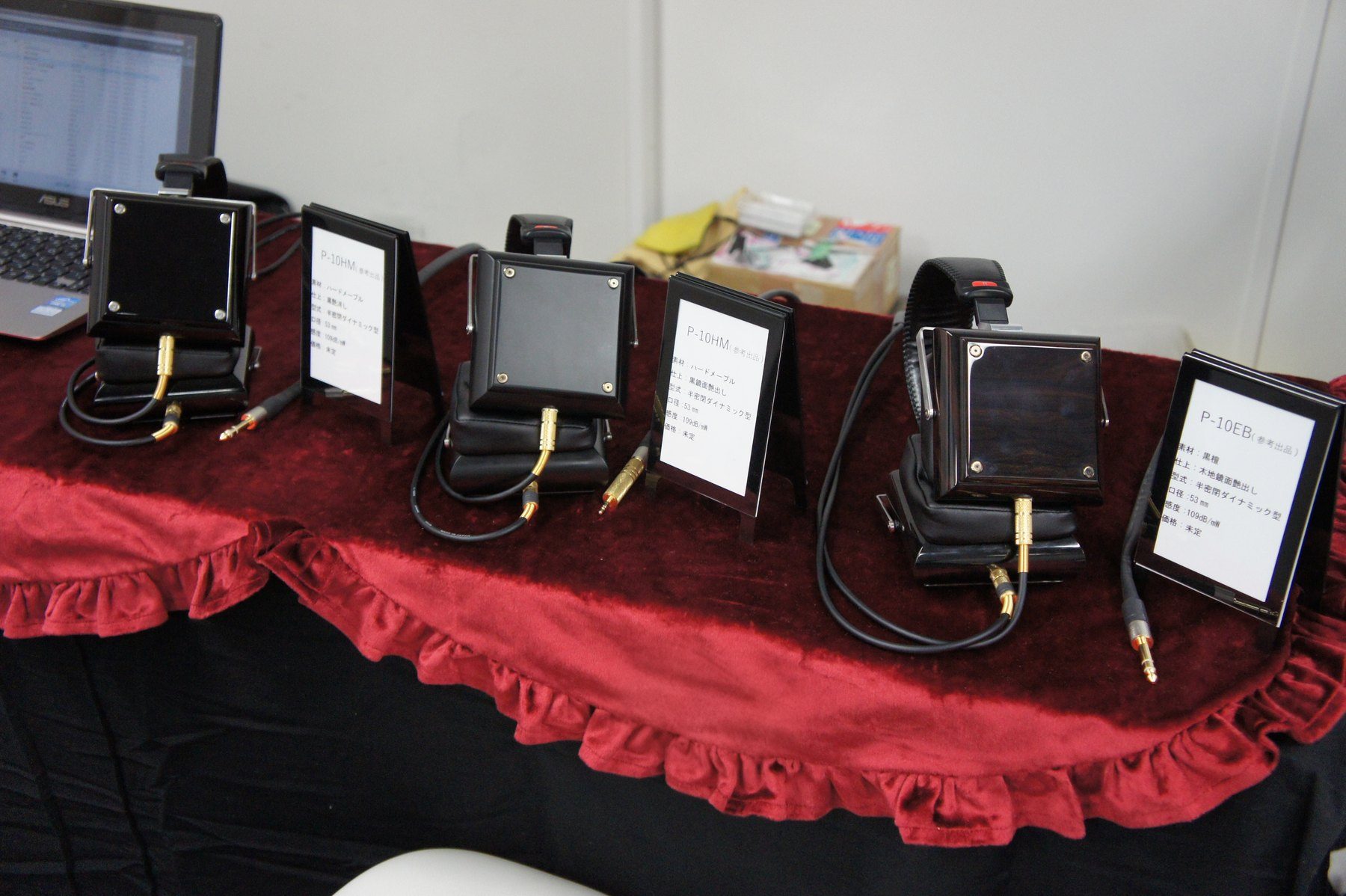 P-10The prototype shown in 2013
Production is a test of the design thinking itself
Production is not merely a matter of cost and efficiency. How faithfully can an ideal sound, achieved once, be reproduced in the 100th unit and the 200th? That question tests the design thinking itself.
So we think not about “one unit for ourselves” but about “the 100 units that will reach someone’s hands”. A prototype and a product are different creatures entirely. We work on design and manufacturing together, towards an ideal that can be reproduced.